
A Brief History of New Year’s Eve
/The tradition of welcoming a new year is much older than the calendar we use today. More than 4,000 years ago, ancient civilizations marked the turning of the year in ways closely tied to agriculture, seasonal cycles, and the return of longer days. For early societies, the new year represented renewal, hope, and preparation for what lay ahead.
January 1 officially became the start of the new year in 46 BCE, when Julius Caesar introduced the Julian calendar. The month of January takes its name from Janus, the Roman god of doorways and transitions, often shown with two faces looking both backward and forward. That symbolism still feels fitting today, as New Year’s Eve invites us to reflect on the past while imagining what comes next.

Peck_Mertz Collection 100, family photo, Ruth Peck, Frank Peck, Ida Matthews Peck, Harriet Peck, Alyce Peck, Susan Peck, yard of Peck farm, about 1915.
In the United States, pioneers such as the Peck family, who settled in places like Babcock’s Grove, often observed the new year quietly. For families living on the frontier, it was a time to reflect on the challenges and successes of the past year and to look ahead with cautious optimism. The turning of the year offered a pause in daily labor and a moment to consider what the future might hold.
By the Victorian era, New Year’s traditions had become more formal and social. Families exchanged visits and cards, made resolutions, and gathered at home to mark the occasion. In homes like that of George and Annie Hill on Maple Street, New Year’s Eve would have been spent in parlors warmed by lamplight, with conversation, reflection, and perhaps plans for the year ahead. The holiday emphasized good manners, self-improvement, and renewal, values that resonated during a time of rapid change and growth.
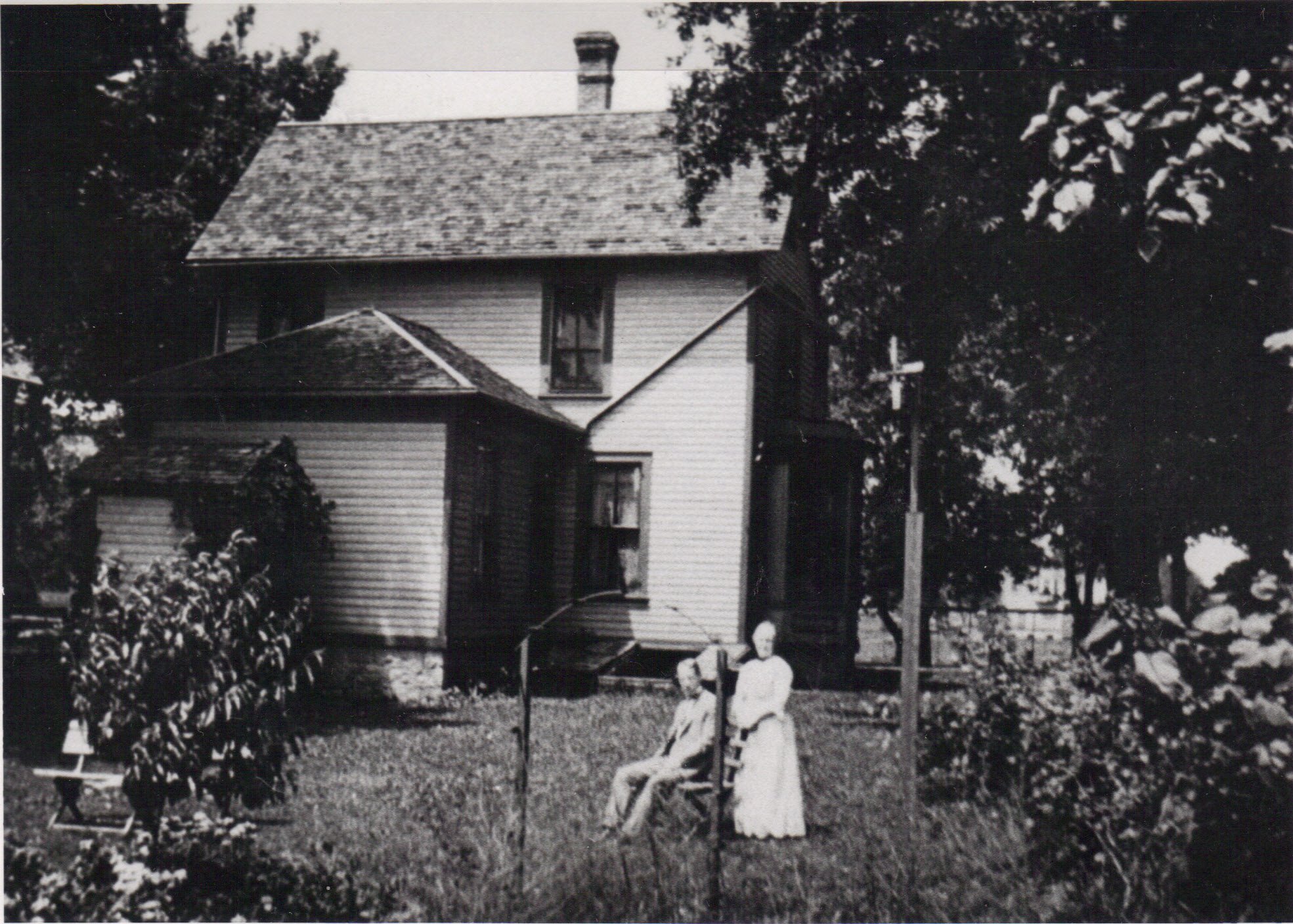
George and Anni Hill, Backyard of the Victorian Cottage, 23 W Maple Street, 1900s, Lombard Historical Society Collection.
One of the most recognizable modern traditions, the New Year’s Eve ball drop, dates to 1907 in New York City. Inspired by time balls once used in ports to help ships synchronize their clocks, the ball drop became a shared national ritual, bringing people together to count down the final moments of the year.
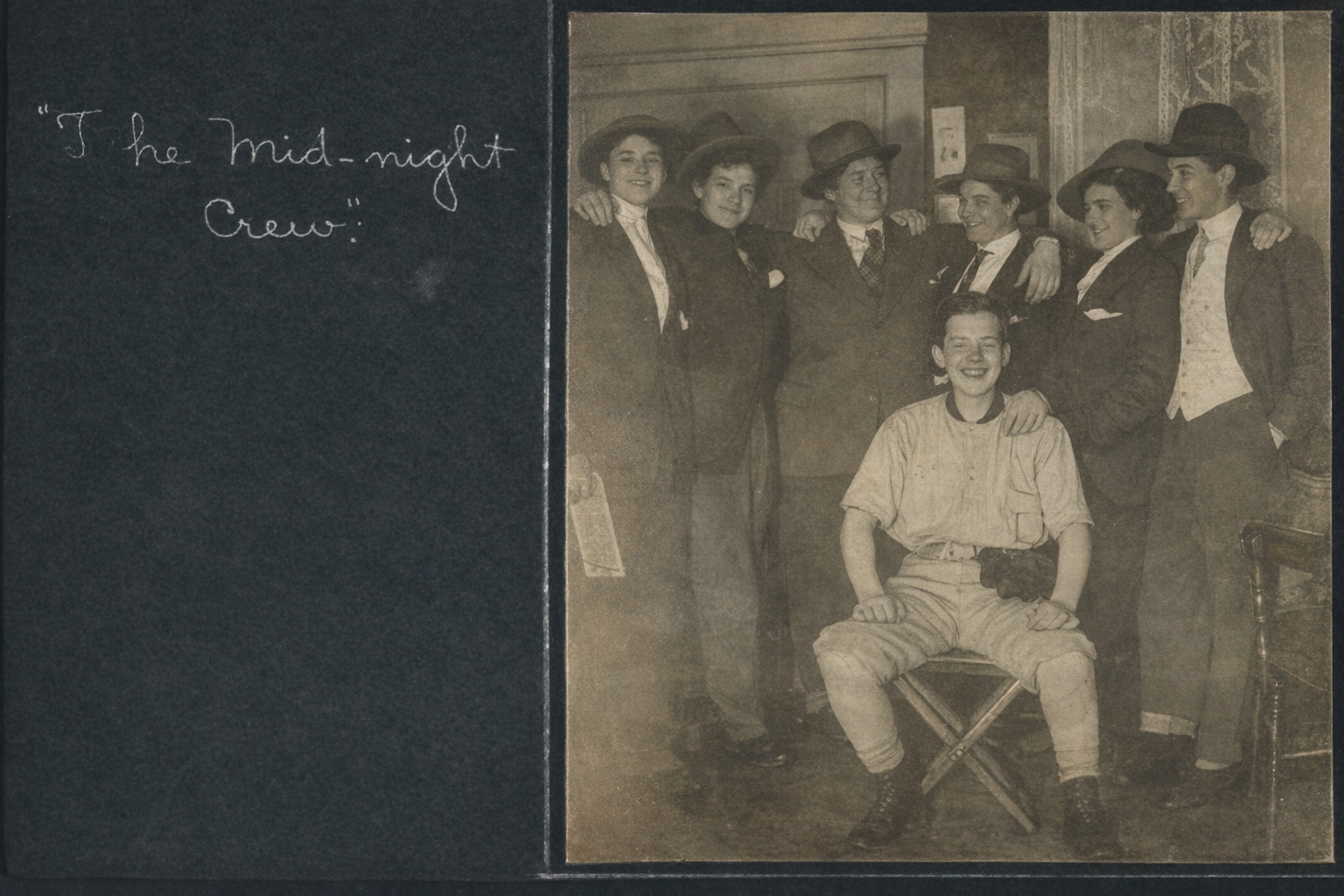
Alice Gray Scrapboo, 1920s, Lombard Historical Society Collection.
From pioneer homes like the Peck Homestead to Victorian parlors on Maple Street and public celebrations watched across the country, New Year’s Eve has always been about reflection, renewal, and hope. While traditions have changed over time, the desire to pause, look back, and step forward with intention connects us to generations past as we welcome a new year together.

Page 8 of The Lombard Spectator,published in Lombard, Illinois on Thursday, December 27th, 1928
